

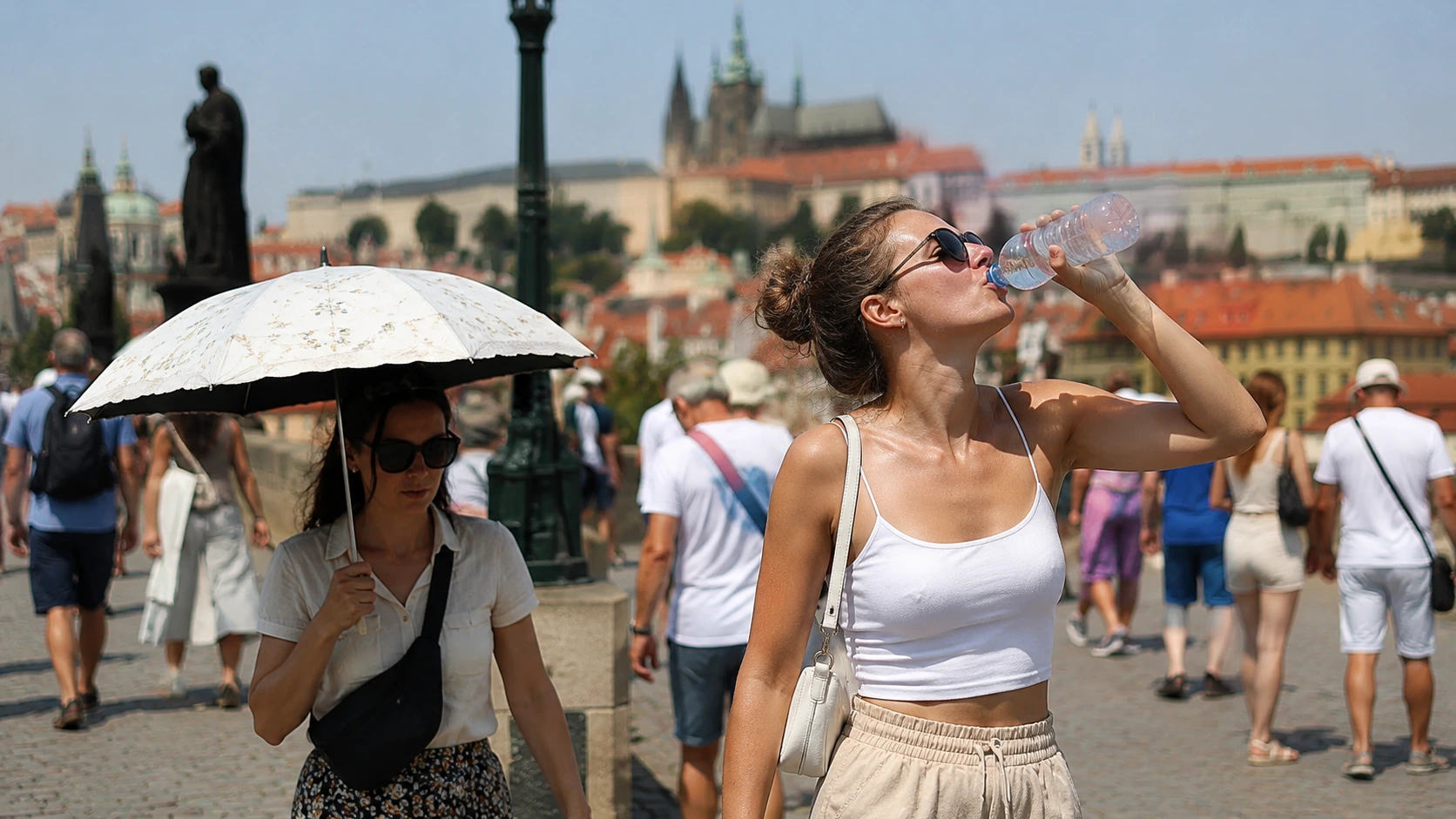
Eastern Europe is struggling through an extraordinary spell of extreme heat, with several countries witnessing temperatures rarely seen in recorded history. Slovakia and Czechia are among the hardest-hit nations as the heatwave continues to move across the region, bringing dangerous daytime temperatures, warm nights, and growing concerns for public health. Authorities have issued emergency advisories, urging people to stay indoors during peak afternoon hours and take precautions against heat-related illnesses.
Record Temperatures Raise Alarm
Meteorological agencies reported that temperatures crossed the 40°C mark in several locations, while Slovakia experienced its highest temperature ever recorded. Czechia also registered historic readings at multiple weather stations as the heat intensified over the weekend. The combination of dry weather and stagnant hot air has created extremely uncomfortable conditions across much of Central and Eastern Europe.
More Than Just Hot Weather
This is not an ordinary summer heatwave. Experts say the current weather pattern has produced unusually high daytime temperatures while preventing significant cooling during the night. As a result, homes, roads, and public spaces remain hot around the clock, increasing health risks for millions of people.
Hospitals and emergency responders are closely monitoring vulnerable groups, including senior citizens, children, and people with existing medical conditions. Officials are encouraging residents to remain hydrated and avoid unnecessary outdoor activities.
Several Countries Feel the Impact
The extreme heat is affecting far more than Slovakia and Czechia. Germany, Poland, Hungary, Romania, Serbia, Croatia, and other parts of Europe are also experiencing unusually high temperatures. Many governments have activated emergency response plans as electricity demand rises and wildfire risks increase.
Read More:-10 Interesting Facts About Norway You Should Know
Transport and Infrastructure Under Pressure
The intense heat has started affecting everyday life. Railway operators are monitoring tracks for heat damage, while road surfaces in some regions have softened under prolonged exposure to high temperatures. Energy providers are also facing increased demand as households and businesses rely heavily on cooling systems.
Farmers across several countries are expressing concern that prolonged heat and limited rainfall could damage crops during a crucial part of the growing season.
Why Is Europe Getting So Hot?
Weather specialists explain that a persistent high-pressure system has trapped hot air over much of Europe, allowing temperatures to climb for several consecutive days. Climate scientists also note that rising global temperatures are making heatwaves more frequent, longer-lasting, and more intense than in previous decades.
Safety Tips During Extreme Heat
Health authorities recommend the following precautions:
- Drink water regularly, even if you are not thirsty.
- Avoid outdoor activities during the hottest part of the day.
- Wear light-colored and loose-fitting clothing.
- Stay in cool or air-conditioned places whenever possible.
- Never leave children or pets inside parked vehicles.
- Check on elderly neighbors and family members.
Read More:-7 Best Places to Visit in Norway: A Complete Travel Guide (2026)
What Happens Next?
Forecasts indicate that the heat may continue across parts of Eastern Europe for the next few days before cooler air gradually reaches some regions. However, weather experts warn that temperatures could remain above seasonal averages in many areas, meaning authorities will continue monitoring conditions closely.
Conclusion
The ongoing heatwave has become one of Europe’s most serious weather events of the summer, with Slovakia and Czechia among the countries setting historic temperature records. Beyond breaking weather records, the event is testing public health systems, infrastructure, and emergency services. As climate experts continue to warn about the growing frequency of extreme weather, this heat emergency serves as another reminder of the importance of preparedness and climate resilience.
FAQs
Q1. Which countries are most affected by the current European heatwave?
Slovakia, Czechia, Germany, Poland, Hungary, Romania, Serbia, and Croatia are among the countries experiencing extreme temperatures.
Q2. How high have temperatures reached?
Several areas have recorded temperatures above 40°C, with new national and local records reported in parts of Eastern Europe.
Q3. What is causing this heatwave?
Meteorologists attribute it to a persistent high-pressure weather system, while climate researchers say global warming is increasing the intensity and frequency of such extreme heat events.